Asbestlint Removal: A Step-by-Step Guide for Homeowners
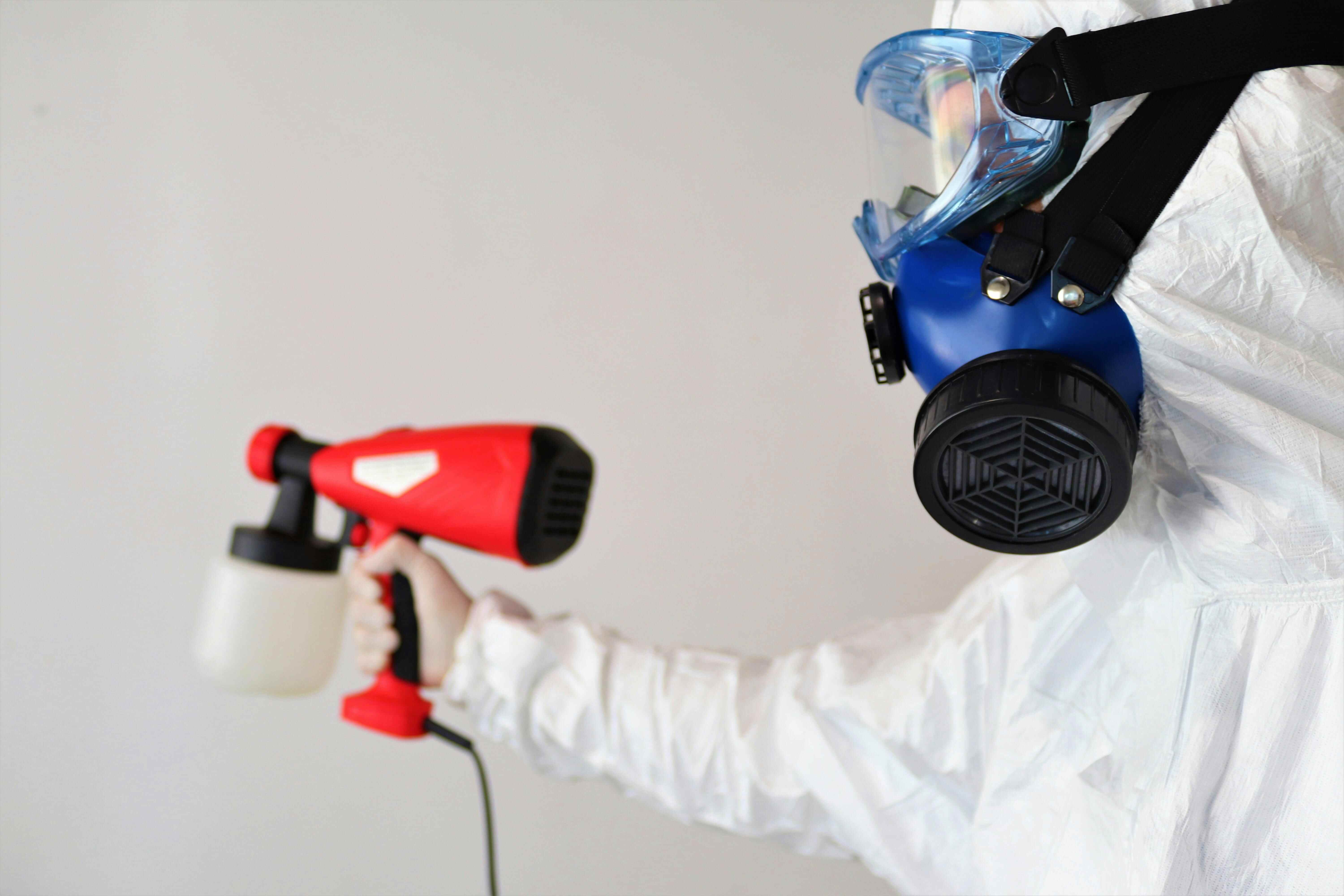
As a homeowner, you enjoy providing a welcoming and safe home. But what happens when dangerous problems are hiding behind your walls or under your floors? Asbestos, a once widely used and popular building material, is one such threat — or, more specifically, getting rid of it. Asbestlint could be harmful if disturbed so it is important to know how to manage it safely.
If you’ve ever thought about whether asbestos is in your home, or are considering doing the work yourself, you are not alone. This is a scary trask that many homeowners encounter at some point. Armed with the right information and a thoughtful approach, you can navigate the process with peace of mind and both you and your family’s well-being intact.
So, let's get into what asbestlint is, what it means in your home, and perhaps most importantly, how to remove it properly and how to get it removed with as little risk as possible. Get a cup of coffee, let's get into this critical guide!
What Is Asbestos And Are You Being Exposed?
Asbestos is a natural mineral that is made up of lots of small, thin, fibrous crystals. It used to be prized for its heat resistance and durability and was a common ingredient in construction products like insulation, roofing shingles and floor tiles.
But what makes asbestos so attractive are the same characteristics that make it dangerous. When disrupted or broken, these fibers can be released into the air and people can inhale them. Long-term exposure can cause serious respiratory problems and diseases such as asbestosis, lung cancer and mesothelioma.
Since asbestos is hazardous, asbestos use is limited or banned in several countries. But older homes can still contain the dangerous material. Knowing what asbestos is —and being aware of the dangers it posses—are two of the most important factors concerning your home’s safety, for you and your family.
Symptoms That You Have Asbestos in Your Home
Asbestos can be found in several areas of your home, and many times, it’s hiding in plain sight. Knowing its symptoms is necessary for your safety.
Examine older products like insulation and ceiling tiles. If they were installed prior to the 1980s, there is a possibility they may contain asbestos fibers. Badly disturbed or friable materials are very bad.
Look in spaces like attics and basements that might have seen renovation. This hazardous material can also be found in old vinyl flooring and adhesives.
Also, look for any suspicious textured paint on walls or ceilings. '' My guess is that it's a sign of asbestos in the application.
If you notice signs of wear and tear around pipes or ducts, be suspicious. It could release dangerous particles into the air, creating significant health hazards over the long term. Use common sense when you come across these potential hazards while checking out your living space.
Importance of Professional Removal Services
Asbestlint isn't something you can DIY. The dangers are such that professional assistance is vital. Professional removal experts are aware of the intricacies involved in the safe removal of asbestos and how best to limit exposure.
Workers are equipped with specific tools and with protective gear so safety is guaranteed for all in the area. They also have formulae with severe restrictions that are essential for optimal extraction and to comply with local laws.
Making efforts to clean up thet asbestlin without proper knowledge may result in serious health problems like lung diseases or cancers. The professionals have flawless accuracy in being able to pick out all ACMs, so this way nothing is left behind.
They also make sure that the right disposal processes are being carried out. This avoids any post-removal contamination. Relying on experts is the peace of mind you want when it comes to your home being safe again. Investing in professional services is investing in your health and your property value.
Step 1: ACM Discovery Analysis for the asbestos containing material (ACM) determination
One of the most important facets of any removal process is identifying asbestos-containing material (ACM). Asbestos may be hiding in several locations in your home, and is more widespread than you might think, since it’s concealed in older building materials.
Begin by testing the likes of ceilings, floors and walls. Search for textured paints or popcorn ceilings, which are two more of the most common spots to find asbestos. Insulation at tiny intersections of pipes and ducts is a second hot spot.
If you suspect that material in your home is ACM, do not disturb it. Breaking such down can also produce damaging fibers in the air. Instead, write detailed notes for them on who you’ve found and where.
If you’re unsure about what you’ve discovered, it’s a good idea to contact trained professionals to have an asbestos inspection done. They are fully equipped and experienced to test if asbestos exists in your house without putting your health at risk.
Step 2: Preparing for Removal
Proper preparation is the key to starting the removal process. First, make sure you’ve got the proper personal protective equipment, or PPE. This involves a respirator mask, disposable coveralls, gloves and goggles.
Then, block access to any place containing asbestos. Bar access to doorways and vents using plastic sheeting. This keeps fibers from becoming airborne throughout your home and irritating your skin during removal.
It’s also important to alert everyone in your home to what is taking place. Ensure that pets are not present in the area while work is taking place to prevent unnecessary exposure to pesticides.
Bring all required tools before starting the task. You will need utility knives or scrapers and heavy-duty trash bags for removal. Being prepared with everything laid out in front of you saves time and reduces the chance of mistakes.
Verify what is required locally for removal of asbestos. Understanding what’s needed can aid you in being compliant while ensuring the safety precautions are adhered to properly as you carry out this delicate assignment.
Step 3: Removing the ACM
Asbestos containing material (ACM) must be removed carefully. To begin, suit up: You need a respirator, gloves, and goggles. These protect you from dangerous fibers that might fly up during the process.
Now wet the ACM with water. This prevents the dust from filling the air as you work. Be precise, with a spray bottle too much water can lead to further problems or damage surrounding surfaces.
The ACM should then be carefully pried up using special tools to avoid breakage. Do not break it into small pieces roughly to prevent fiber from falling off. Tightly load any removed material in strong plastic bags which should be identified as hazardous waste.
Make sure you seal these bags properly to avoid leaks before transporting them to your disposal site. Note where you worked, should you need to do more cleaning afterward. Always focus on safety— if things ever get out of your control don’t hesitate to ask the pros.
4: Disposal of ACM in the right manner
The asbestos-containing material (ACM) is removed; properly disposing of it is now a must. Asbestos exposure is a dangerous health risk.
First, find out local laws on the disposal of asbestos. Most locations have their own rules about doing this in order to keep everyone safe. It is imperative to strict observance of these rules.
Bag the ACM in heavy plastic bags or containers to ensure that no fibers escape into the environment. Mark each package conspicuously with a warning of its contents.
Cautions for ACM Transport Also carrying stowage / packaging of asbestos is dangerous. Utilize a truck that has very little disturbance of the material and will not cause leaks or spillages during transportation.
Bring your sealed packages to an approved disposal facility that deals with hazardous waste. This guarantees the safe handling and adherence to environmental regulations, as well as health implications for the public.
After Removal Tips And Hack For Staying Safe
We make your safety a priority even after asbestos is removed. You will want to start by cleaning the crazy glue removal area. Wipe surfaces down with a wet rag or sponge and remove any remaining dust particles.
The next step is to check your home for evidence of damage and any remaining debris. Places that have been affected in the past should require extra focus in order to become totally safe.
You may want to test the air quality in the home through a processional. You can have peace of mind knowing that no dangerous fibers remain where you live or work.
Be sure that clear and accurate records are maintained of all removal operations and inspections. Documentation may be important if there are further problems down the line with property value or health issues.
Since ongoing maintenance is required, teach yourself about it. Routine inspections in your home can help you be on the lookout for possible risks associated with asbestos exposure in the future.
Conclusion
Your home is a good joint to start because removing asbestlint is not a task you should take lightly. First steps in this process include knowing what asbestos is, identifying it and understanding its risks. You can never be too careful when it comes to the hazards of coming into contact with asbestos fibers – make safety a priority for you and your family.
Identifying the ACM is crucial in the successful removal process. Whether it is outdated insulation, tiles or particular paints, knowing where asbestos could be hiding can help prompt you to take action sooner.
Although DIY projects are sometimes satisfying, asbestlint removal is one of them that you shouldn't attempt on your own. These professionals have the proper instruments and experience to remediate the problem without compromising anyone’s health.
As you traverse from finding ACM to properly disposing of it, preparation is key at each stage. Precautions are not only for the safety of them but also for the safety of the law (read: following local codes).
Remaining cautious after ACM has been successfully removed is still important. Regular inspections will help to ensure your environment is now safe from any other dangers that may confront you in the future for exposure to asbestos.
If you take these measures thoughtfully, you’ll be well on your way toward a safer living environment, unencumbered from hazardous materials such as asbestlint. By adopting good practices, homeowners swearing allegiance to their family’s health is a group at peace.